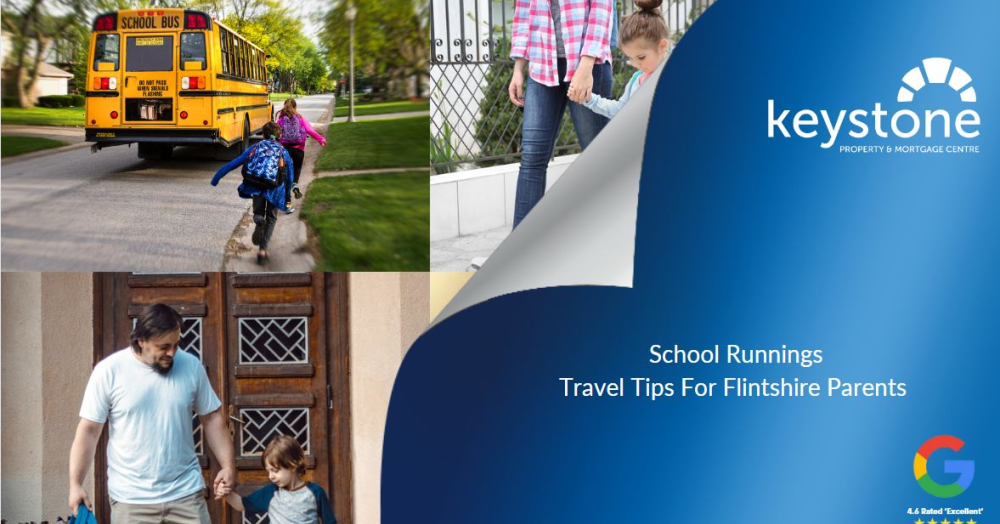
Back to School: Three Eco-Friendly Transport Tips for the School Run 🚌
As September rolls in and children across the UK prepare to return to school, many parents are reconsidering their daily routines.
With growing concerns about traffic congestion, air pollution and the rising cost of living, exploring alternative modes of transport for the school run can be a practical and eco-friendly choice.
Here are three tips to help you get your kids to school without relying on the car.
1) Walk or cycle: Creates independence and builds fitness
One of the simplest and most effective alternatives to driving is encouraging your children to walk or cycle to school. Not only does this mode of transport reduce your carbon footprint, but it also promotes physical activity, helping children meet their daily exercise requirements.
Walking or cycling to school can build children’s sense of independence and responsibility as they learn to navigate their local area safely. For parents concerned about safety, consider forming a ‘walking bus’ or cycling group with other families in the neighbourhood, making the journey a social and secure experience.
2) Use public transport: Teaches practical life skills
Public transport is an often-overlooked option if walking or cycling isn’t feasible. Buses, trams and trains allow older children to develop important life skills, such as time management, navigation and confidence in using public services. Many UK cities and towns have discounted or even free travel schemes for school children, making this a cost-effective solution. Public transport also reduces the number of cars on the road during peak hours, contributing to less traffic and better air quality around schools.
3) Carpooling: A balanced middle ground
For parents who find it challenging to ditch the car, carpooling offers a balanced solution. Sharing the school run with other families can significantly reduce the number of vehicles on the road, easing congestion and lowering emissions. It also allows parents to share the load, saving time, and money on fuel. Carpooling can create a sense of community among parents and children, making the school journey more social and enjoyable.
Perhaps consider integrating these alternative transport methods into your routine as the new school year begins. Not only will you contribute to a greener environment, but you’ll also set a positive example for your children, teaching them the value of sustainable living and other important life lessons.